
 Live source
03 / Tees & topsT-Shirts
T-Shirts
finds & checks.
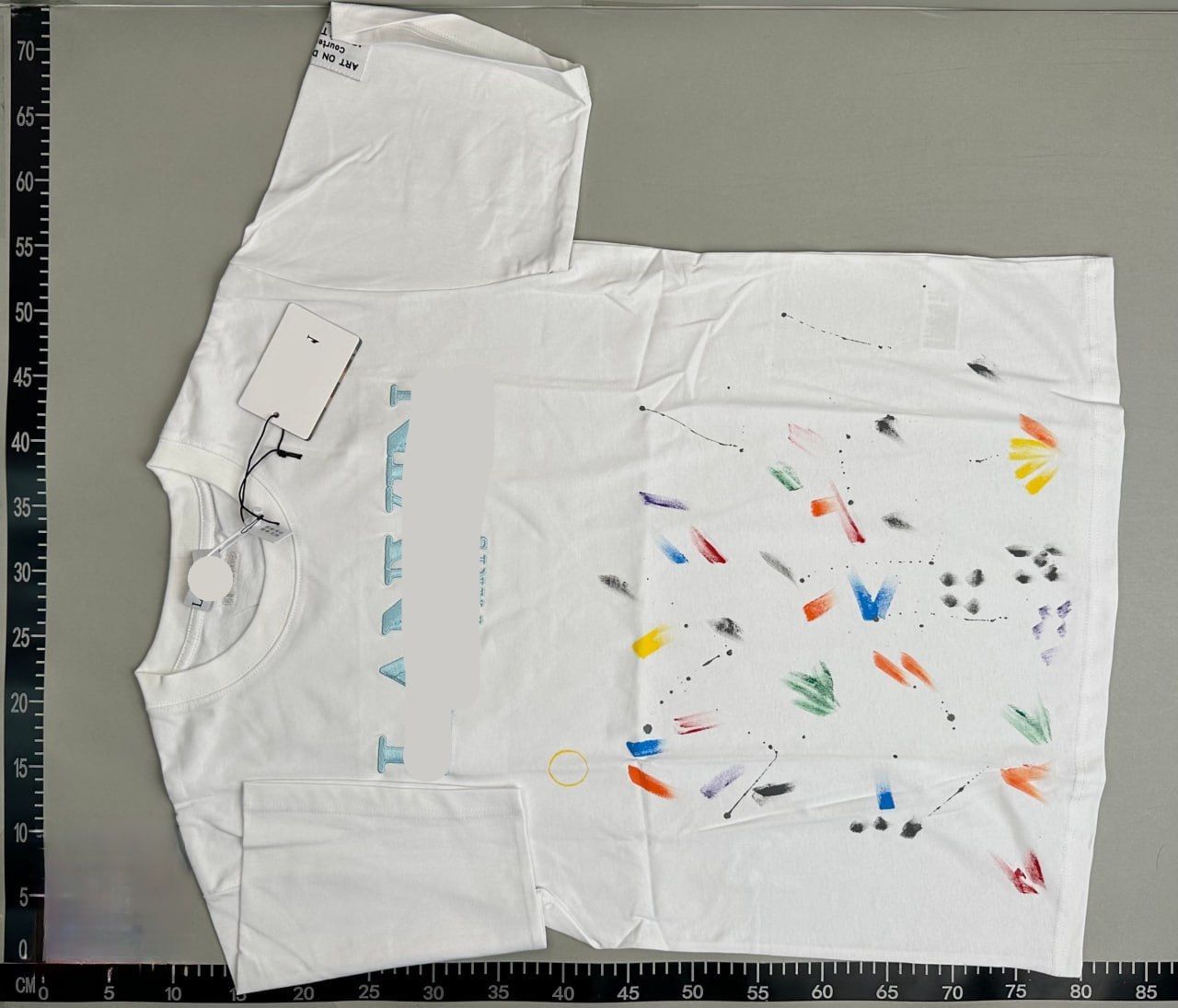
Find everyday tops and inspect collar shape, print alignment, seams, tags and the measurement ruler when shown.
Matching shortlist
Start with these finds
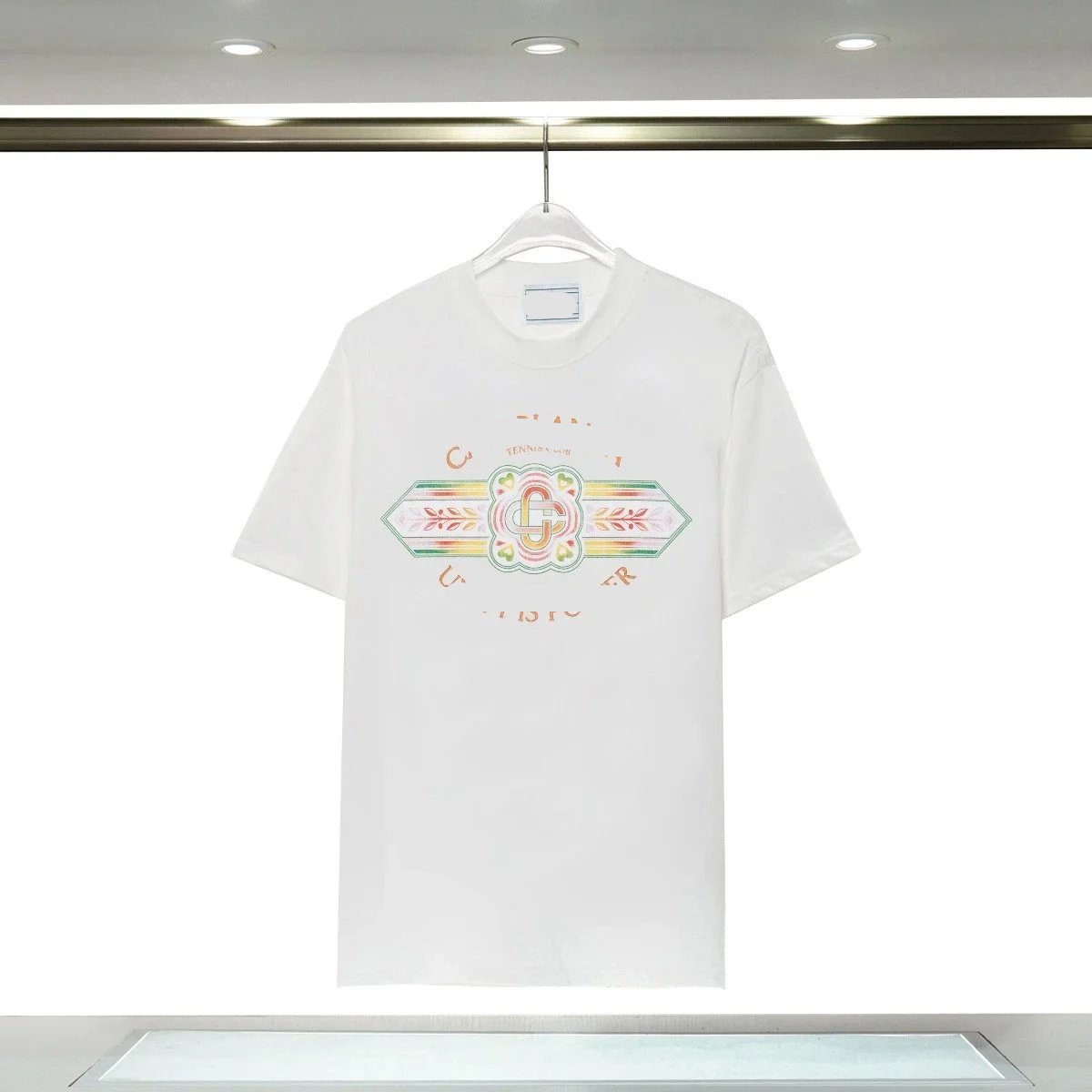
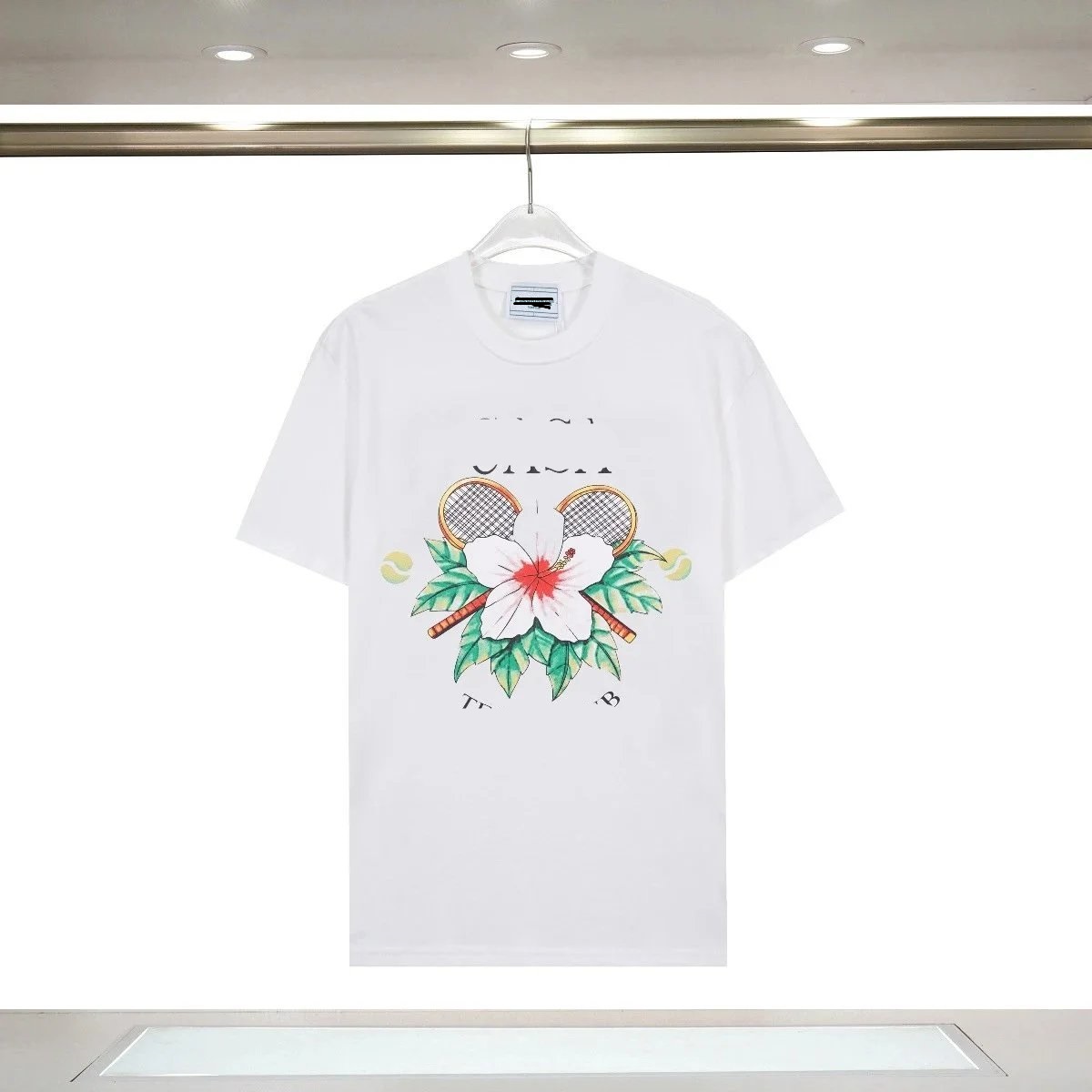
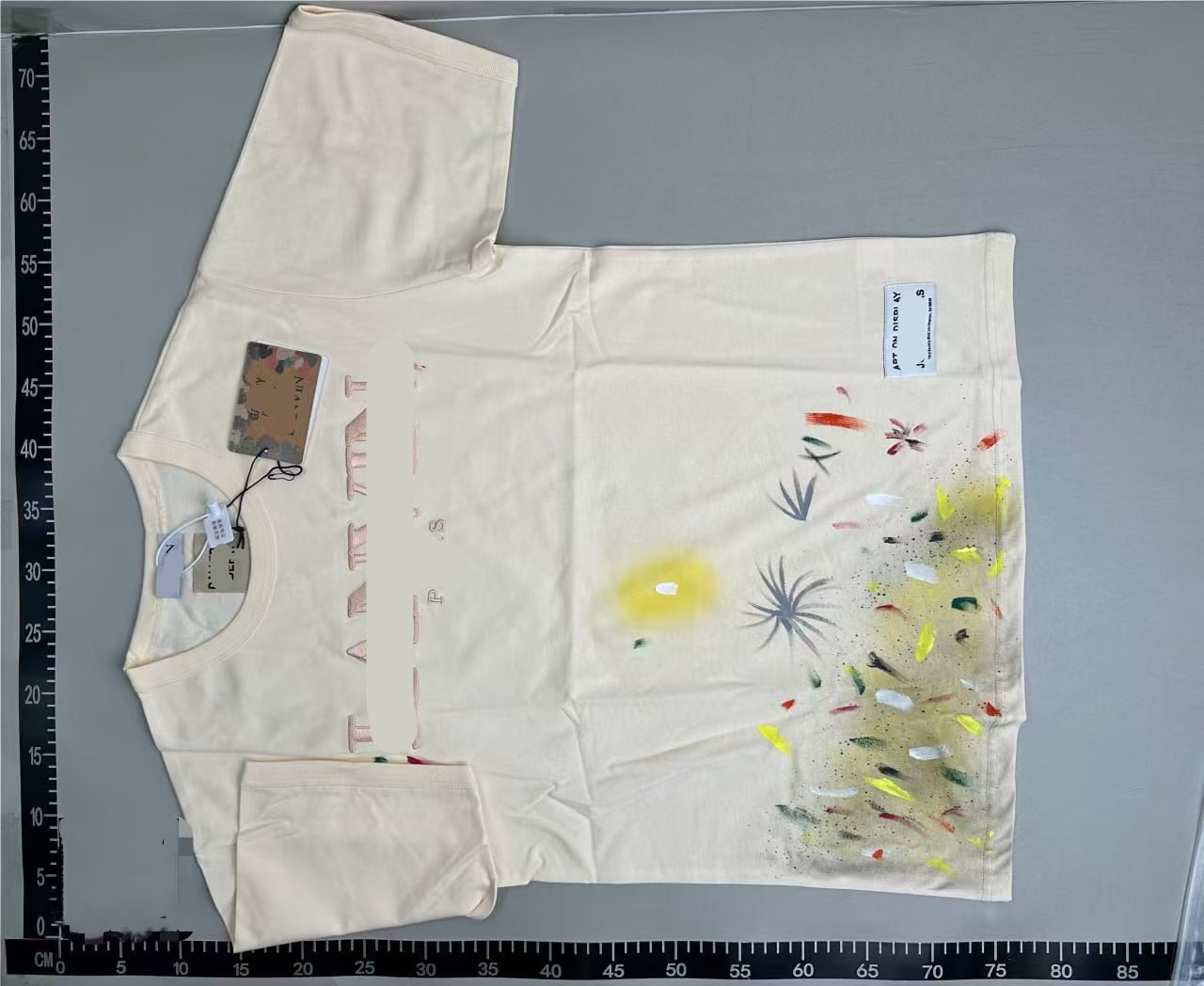
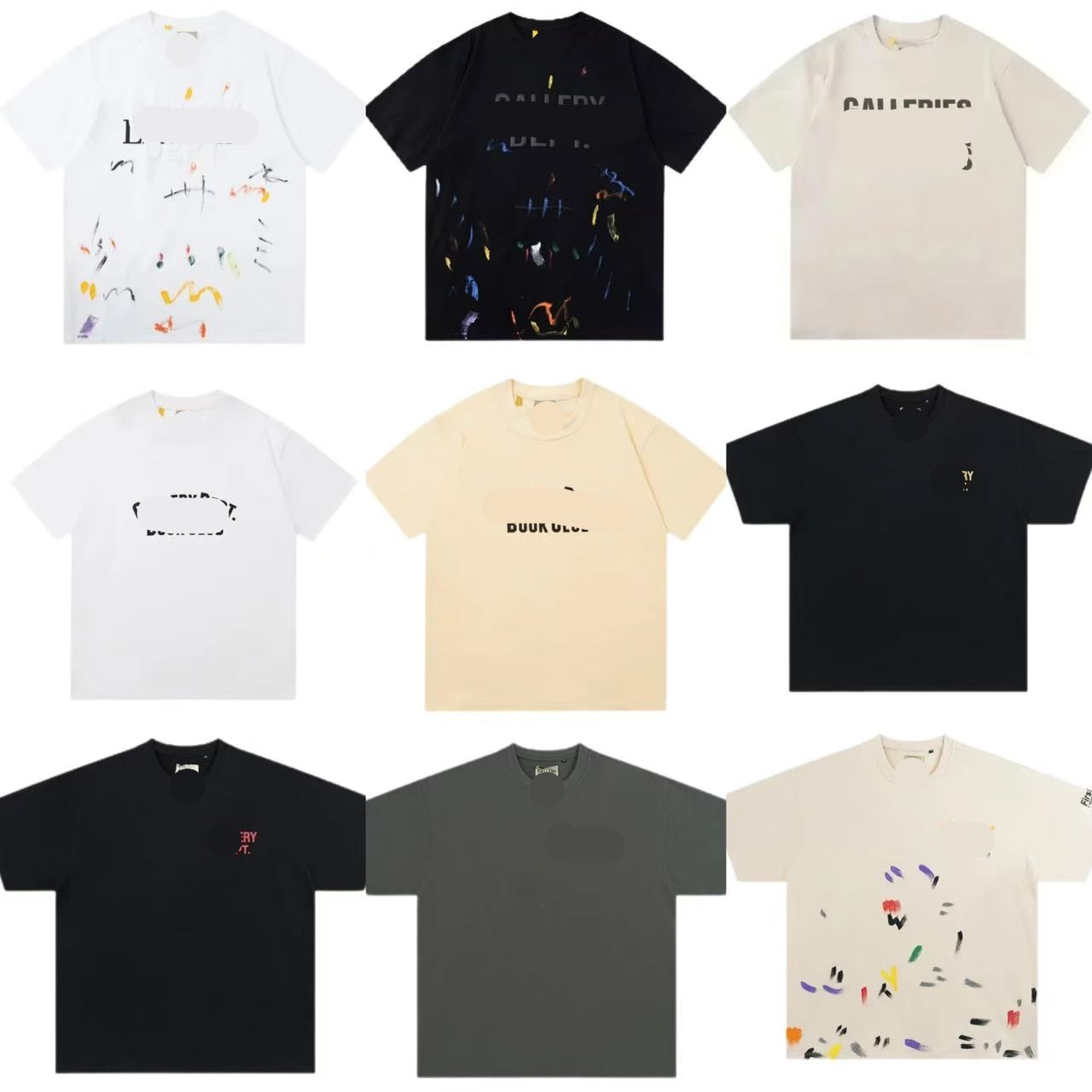
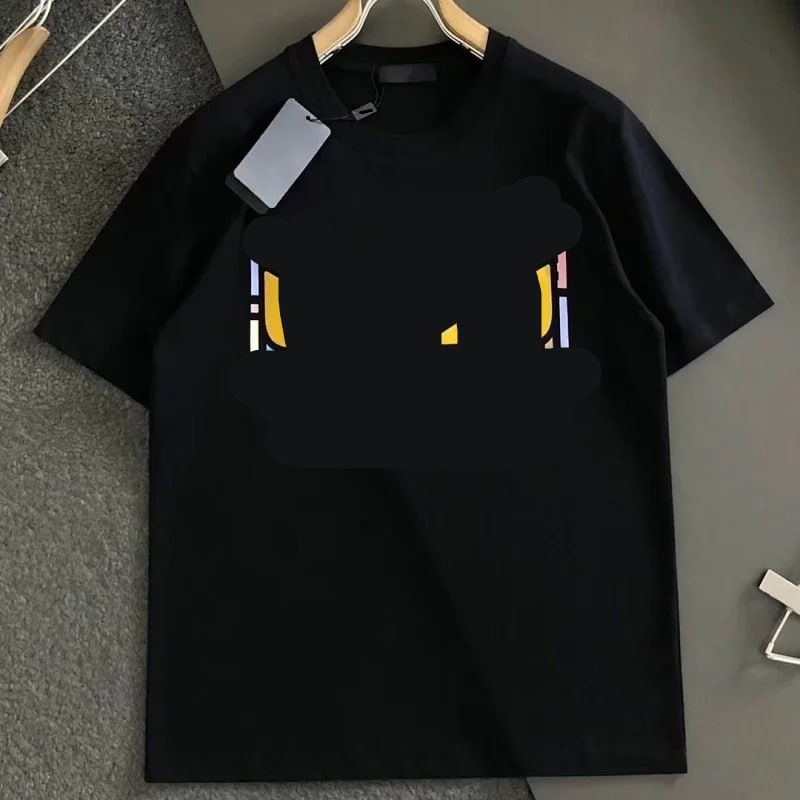
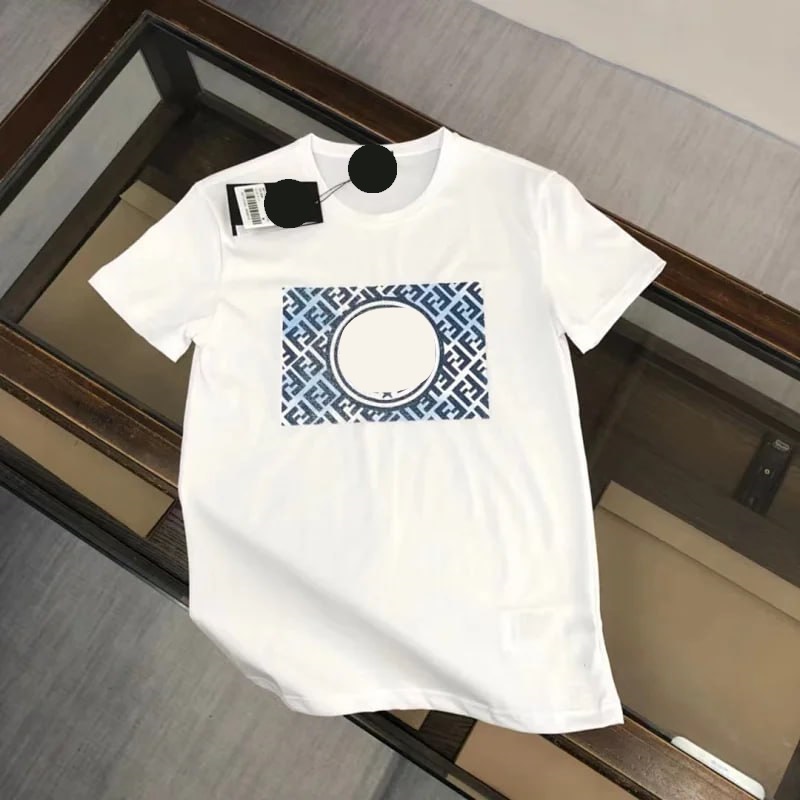

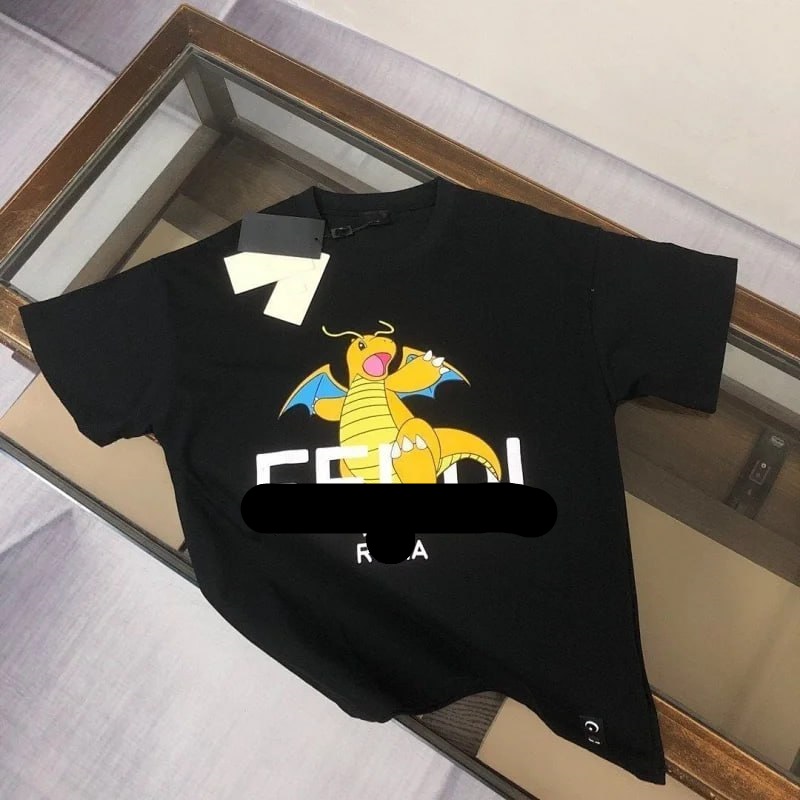
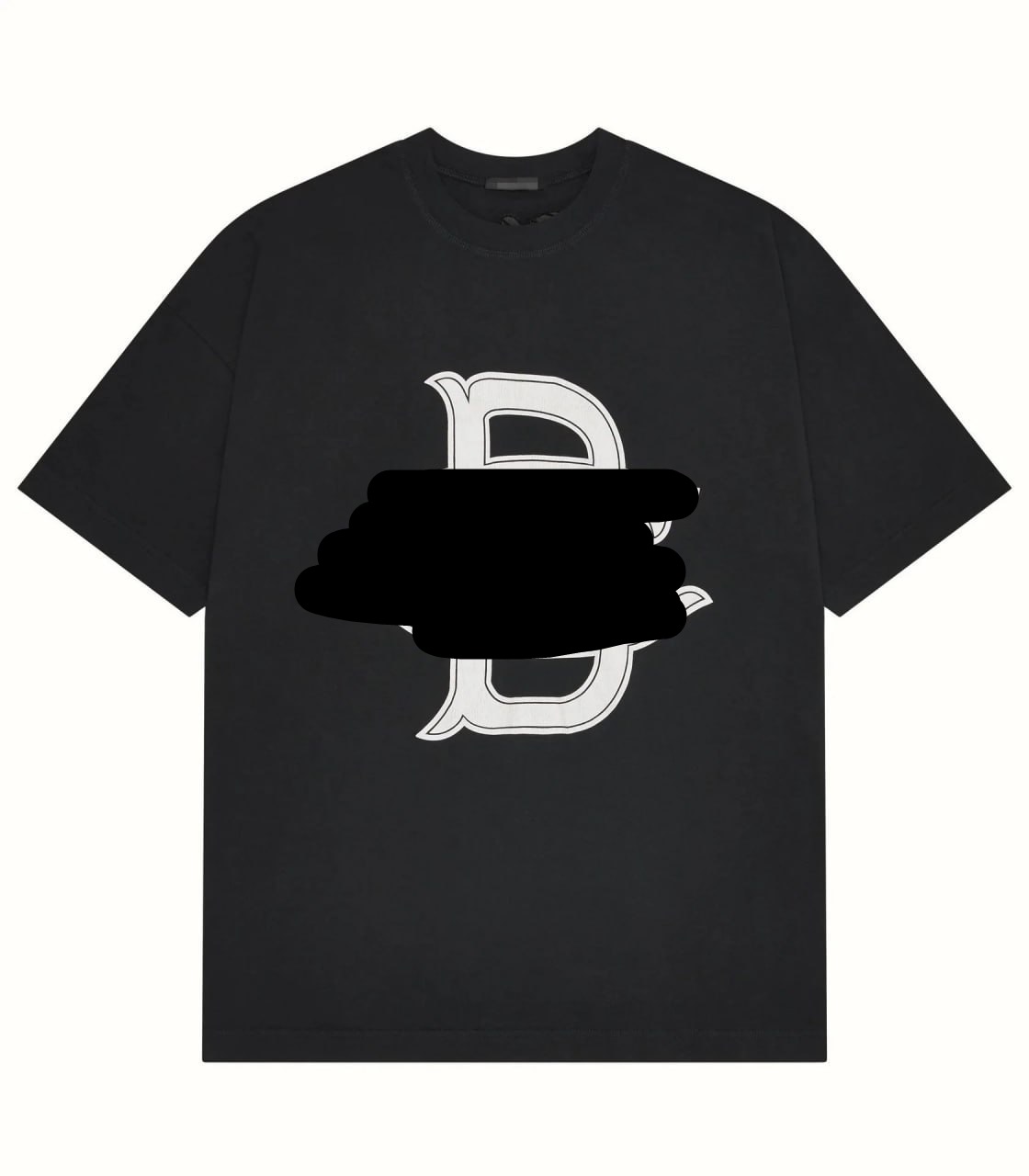
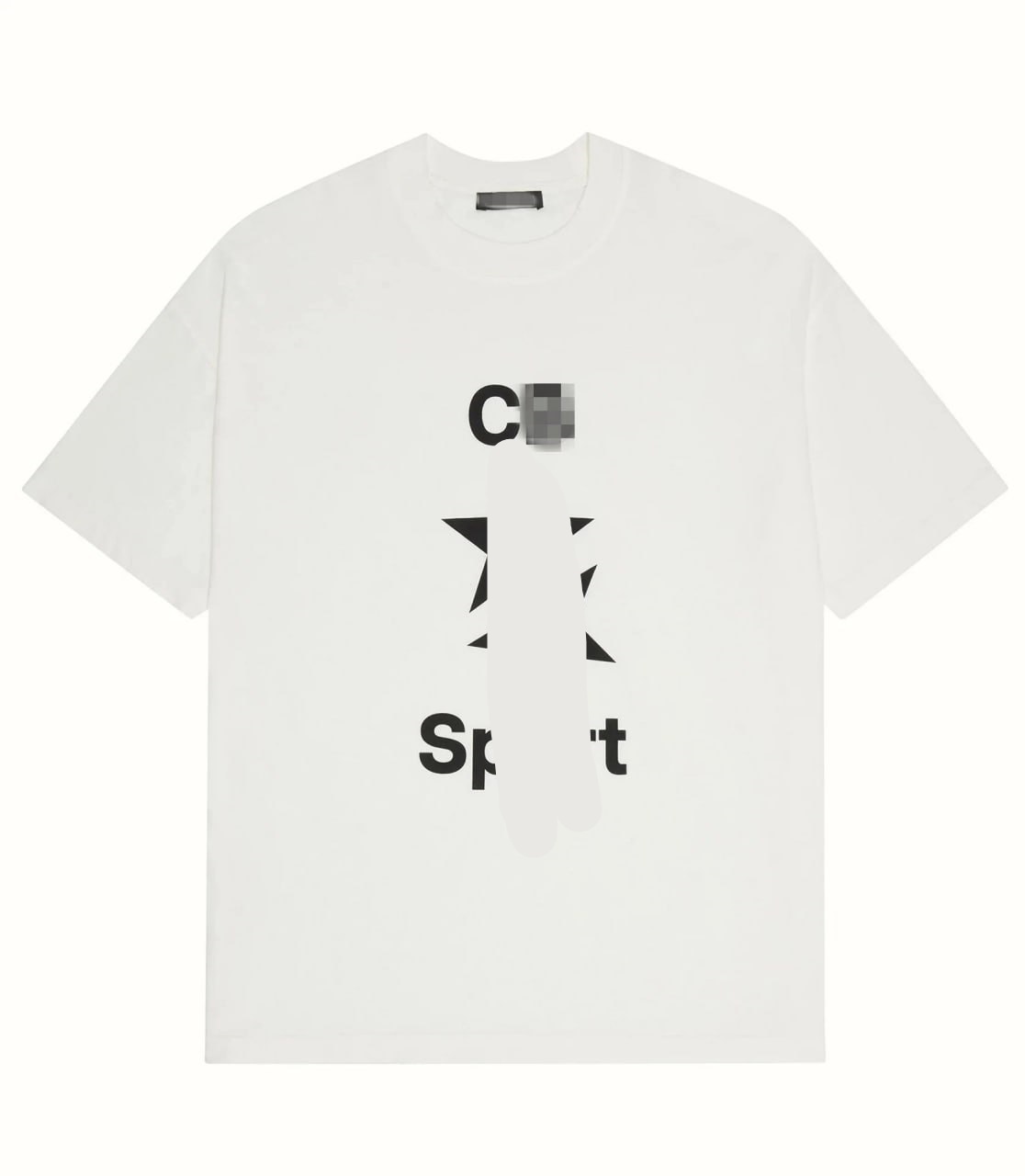
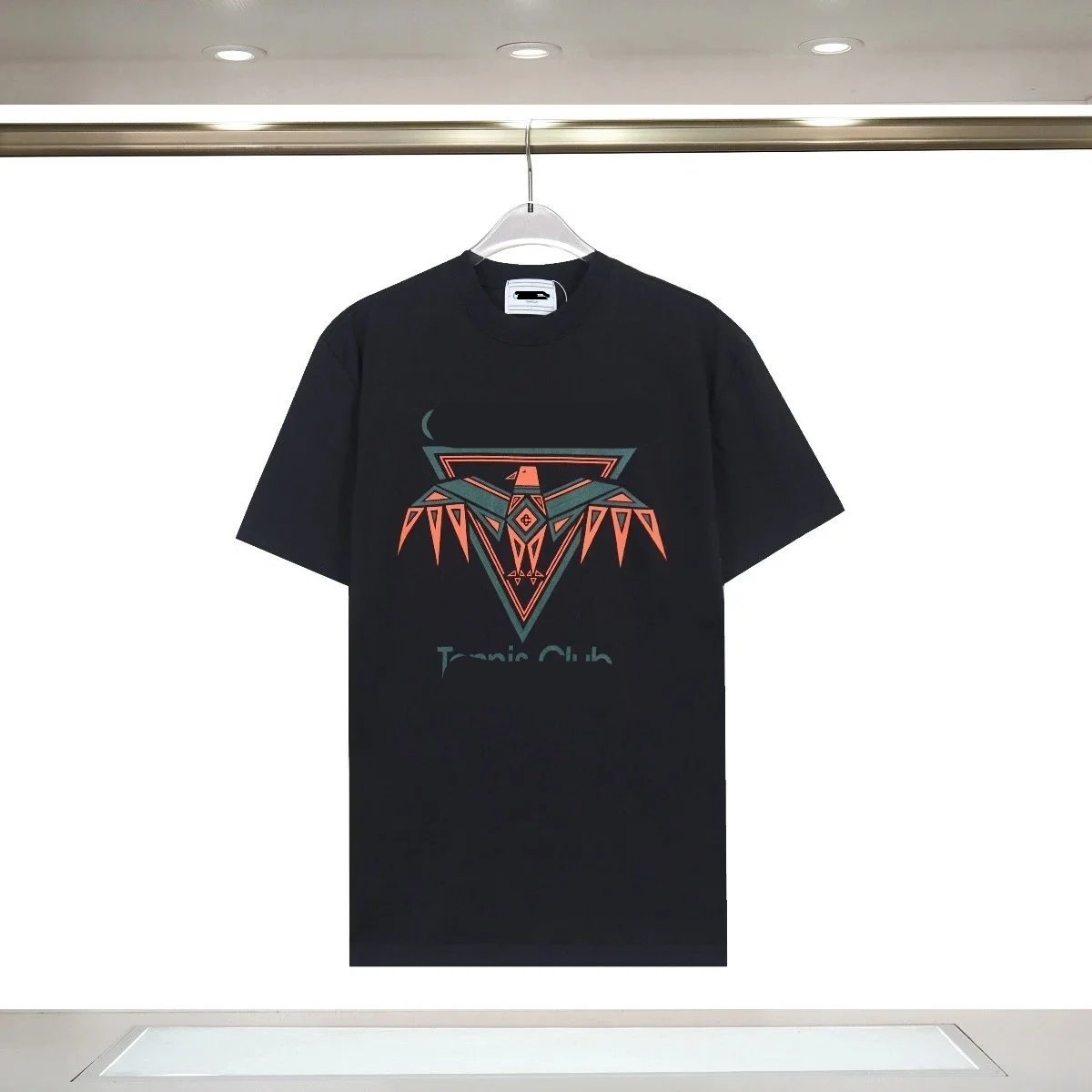
How to review t-shirts before international shipping
Use the source listing, your recorded order options and the warehouse images together. The goal is to resolve visible, decision-relevant questions—not to turn photographs into a guarantee.
T-shirts look simple, but small differences in collar construction, body length and print placement can change the result. Confirm the exact size, colour and graphic option first. Then use a flat chest-width and body-length comparison because labels such as small, medium or large do not describe a consistent fit across listings.
A warehouse image can show collar shape, visible seams, print alignment and obvious fabric damage. It cannot establish softness, fibre content, opacity in every light or how the shirt will behave after washing. Avoid turning a smooth photograph into a claim about material quality.
03
Common questions
What shoppers usually need to clarify
Can QC photos show whether a T-shirt is thick?+
Only indirectly, and not reliably. Lighting and background influence perceived opacity. A seller specification or fabric-weight figure may add context, but a standard warehouse photo cannot prove hand feel or GSM.
Why does the collar look uneven in one photo?+
The shirt may be folded, wrinkled or photographed at an angle. Compare a straight full-front view and inspect the collar seam before treating one curved edge as a manufacturing problem.
What measurement should I request first?+
Flat chest width and body length answer most basic fit questions. Ask the warehouse to show both ruler endpoints and compare the figures with a T-shirt you measured using the same method.