
FindQC and a Shopping Agent: From Product Link to Warehouse Decision
Keep product research, ordering, warehouse QC and parcel planning connected with the exact listing, variant and a clear decision record.
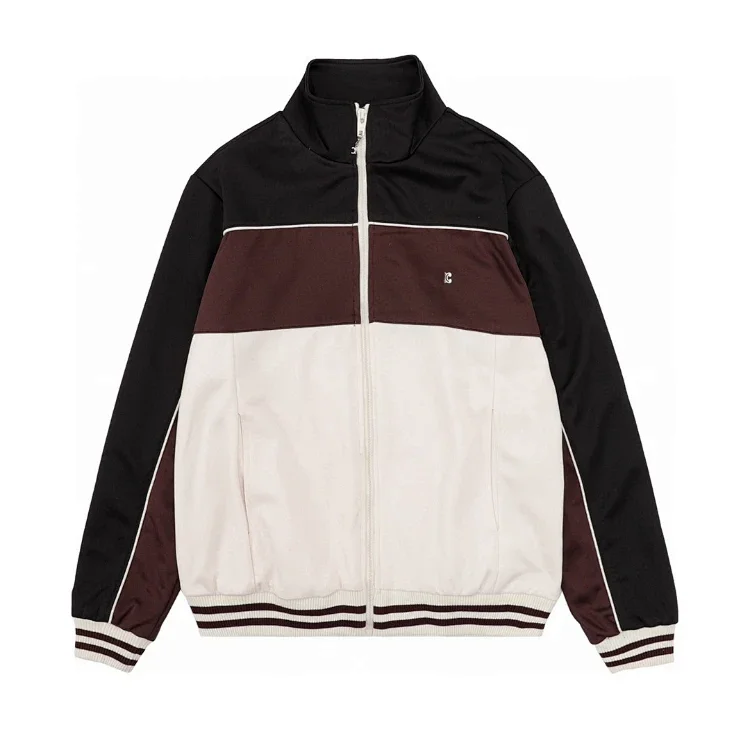
Keep product research, ordering, warehouse QC and parcel planning connected with the exact listing, variant and a clear decision record.
A research platform, a marketplace seller and a shopping agent perform different jobs. Keep those roles visible as you move from a product link to an order, a warehouse photo set and a parcel. The most useful continuity is the exact listing and selected variant.
This guide explains the handoffs. It does not place an order, promise an agent service or certify a seller. Confirm the current services, prices and deadlines in the account of the party handling your transaction.
1. Start with a source record
Save the original marketplace URL, item ID, seller and selected colour, size or model. Include the quantity and any accessories that belong to that option. A screenshot of the cover image alone may describe a different bundle from the one you intend to purchase.
If you discovered the item through the FindQCS index, open the linked destination and verify the current fields there. The index is a navigation aid. The current offer determines what is actually available.
2. Research the listing before sending an order
Use the exact source link in a QC finder when supported. Separate historical records associated with that listing from visually similar recommendations. Save the details you want checked on your own item, such as a seam, label, measurement or included component.
A missing gallery does not prove the item is defective, and a large gallery does not guarantee current stock or consistent production. Record what you found and what remains unknown without turning the result count into a quality score.
3. Transfer the option accurately
Paste the original link into the agent’s supported ordering flow and check the parsed product. Confirm the selected option in words, especially if the interface translates or abbreviates the seller’s labels. Before payment, review the item total, domestic delivery, service charges and available return conditions.
Keep the agent’s order confirmation beside your source record. If the agent cannot confirm an option, resolve it before relying on historical photos for a different one.
4. Check the unit that reaches the warehouse
Match the private order reference and labels first. Then review overview images, construction details, dimensions and accessories according to the product category. Use historical QC as a list of questions, not as a substitute for the current unit’s photos.
If a decisive angle is missing, submit a targeted request with the location, method and reason. Confirm whether extra photographs or tests are available, what they cost and whether the item can remain on hold while the question is answered.
5. Decide about the item before packing the parcel
Record whether to accept the visible condition, request a check, or contact the agent about an exchange or return. Keep the supporting evidence and deadline. Only then decide about removing boxes, reinforcing fragile items or consolidating products.
A photograph cannot establish every property. If comfort, composition or long-term durability remains unknown, preserve that limitation in the decision rather than describing the item as fully verified.
6. Plan shipping with current parcel data
Ask for actual packed weight and dimensions, the relevant route quote and its current limits. An item’s historical weight is not the final parcel weight; packaging can change both mass and volume. Compare the same destination, service and parcel assumptions when evaluating quotes.
Save the final order record, QC images, parcel measurements and tracking details privately. These records connect the stages if a later support question arises. The essential outcome is a traceable handoff at each stage, not a promise that research eliminates every risk.
Source documentation
Sources describe the services referenced. Examples and worksheets are independent editorial guidance; check current details with the provider.
- FindQC: search and QC documentation Reference for the service’s search methods and QC scope. The examples and worksheets in this guide are independent editorial guidance.